What is Neurodiversity?

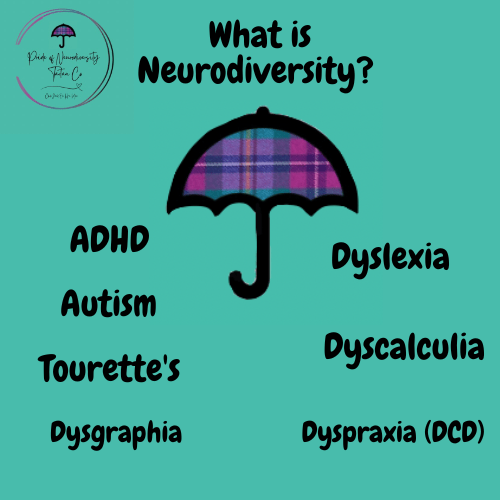
Neurodiversity simply refers to the variety of ways in which a persons brain processes information and functions. It is an umbrella term that is used to describe alternative learning styles/differences. Neurodiversity can include the following: dyslexia, dyspraxia (DCD), dyscalculia, dysgraphia, Autism (asperger’s syndrome) and Attention deficit hyperactivity disorder (ADHD). This is not an exhaustive list. Often an individual can have more than one of those and may refer to them self as neurospicy!
Neurodivergent individuals can often be portrayed in a negative light because they do not think and act in the same way as neurot-ypicals, however neurodivergent individuals have many many positive skills and strengths that are extremely valuable to society.

Perhaps the most common barriers surrounding the acceptance of neurodivergent individuals is the lack of understanding of neurodivergent individuals, and the stigma and stereotyping that lingers. 
I’m Chloe

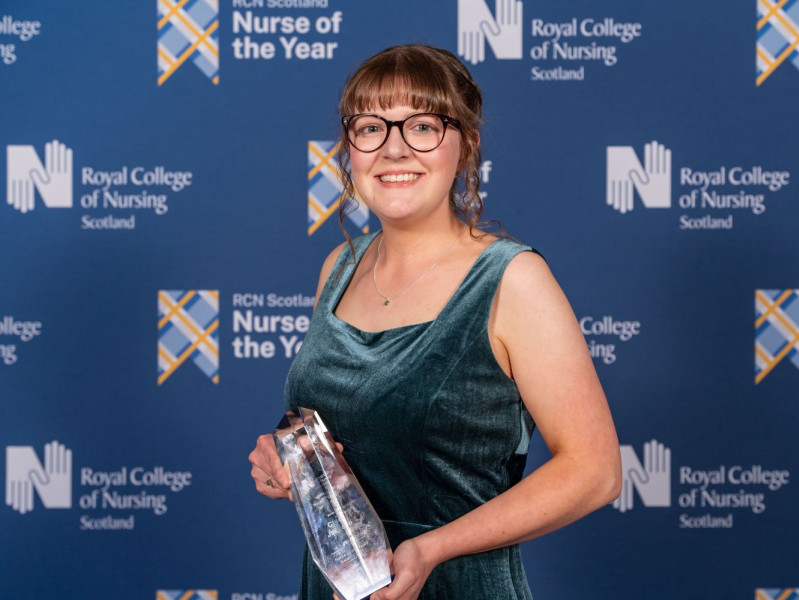
Welcome to my website. My name is Chloe, a 31-year-old registered nurse and the 2024 RCN Scotland Student Nurse of the Year, recognised for my work advocating for and supporting neurodivergent nurses.

I am proudly neurodivergent. I was diagnosed with dyslexia, dyspraxia and dyscalculia in my early 20s, and later with ADHD and autism at 27. I have always known I was “different”, and over time I have learned to embrace my neurodivergence. Advocacy for neurodivergent people is now one of my true “eye sparkles” (hyper-focuses). I work to shine a positive light on neurodiversity and to empower others, knowing first-hand the impact of stigma and the turbulence many of us experience. These challenges fuel my commitment to raising awareness, promoting understanding and celebrating inclusivity. You can learn more about my work in neurodiversity here. I am delighted to introduce this one-of-a-kind, signature neurodiversity tartan to the world.

Why did I design the tartan?

I designed this tartan to spark positive, informed conversations about neurodiversity—between those who wear it and those who admire it—so that together we can help educate society about the realities of neurodivergence. I invite anyone to wear this inclusive neurodiversity tartan: whether you are neurodivergent, think you might be, love or support someone who is, want to champion neuro-inclusiveness in society, or simply feel drawn to its colours and design.

Lets Connect